




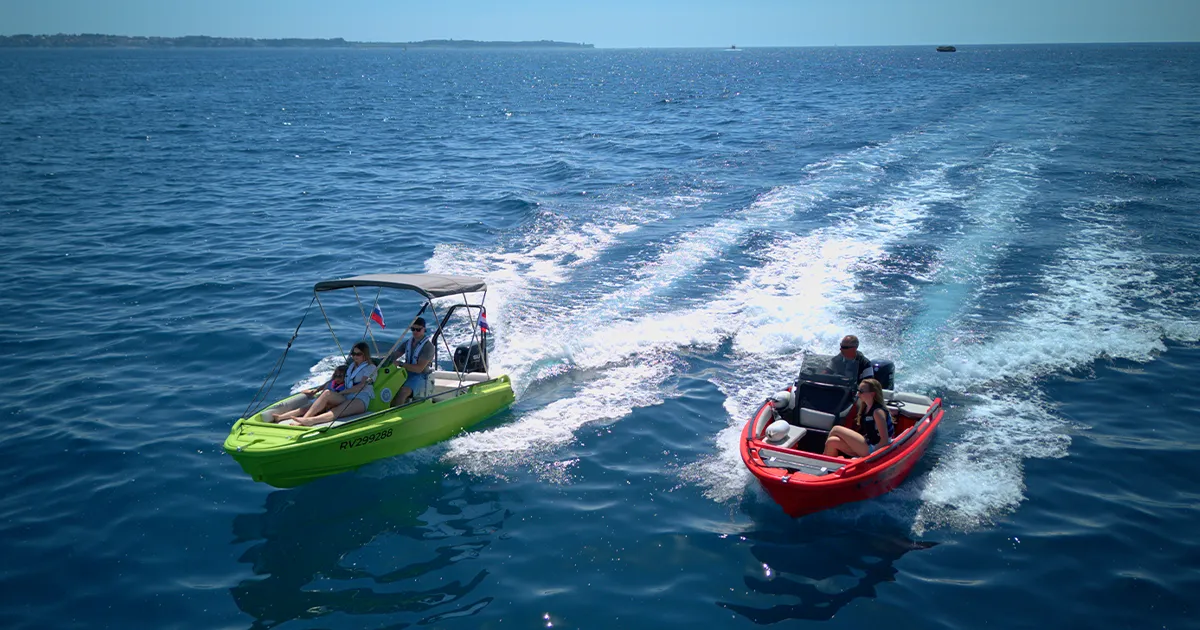
Buying your first boat is mostly a list of quiet worries. Will it break? Will it eat my weekends? Can I actually afford to run it?
At ROTO Nautica, we’ve built our boats around those exact worries. In this guide, we’ll walk you through what the best boat for beginners actually needs, how the common options compare, and why we designed the Hydra 460 to be the boat we’d put any first-time owner in without hesitation.
What makes the best boat for beginners?
Forget top speed and cabin count. After years of building boats for families, rental fleets and rescue crews, we’ve learned that a first boat lives or dies on five things:
- Forgiveness. You will bump a dock. You will beach it somewhere you shouldn’t. A beginner’s boat should absorb mistakes, not punish them.
- Low maintenance. The fastest way to fall out of love with boating is spending Saturdays sanding, waxing and patching instead of being on the water.
- Affordable running. A heavy hull that needs big horsepower costs you at the pump on every single trip. A light hull means a smaller engine, less fuel and lower servicing bills.
- Stability and easy handling. Confidence comes from a boat that behaves predictably — when docking, when passengers move around, when the wind picks up.
- Support nearby. When something needs a service or a spare part, you want a real person within reach, not a shipping container and a six-week wait.
Every decision behind the Hydra 460 traces back to this list. But first, let’s look at the options most people shortlist when searching for the best boat for beginners, because understanding them explains why we build the way we do.
The usual first-boat options and their catches
| Boat type | The appeal | The catch for beginners |
| Fibreglass bowrider | Familiar, sporty looks | Gelcoat chips and cracks on impact; demands waxing, polishing and costly repairs |
| Inflatable / RIB | Light and forgiving on contact | Tubes puncture, degrade in UV and eventually need replacing |
| Aluminium boat | Tough and cheap to run | Dents, gets noisy and hot, needs corrosion care in salt water |
| Pontoon boat | Very stable platform | Big, awkward to dock and tow, limited to calm inland water |
| Polyethylene boat | Flexes instead of cracking, rinse-and-go upkeep, light to run | Fewer manufacturers build them properly – which is exactly our specialty |
Each of these boats has its place. But notice the pattern: most of the catches trace back to one thing – the material the hull is made of. That’s where polyethylene changes the maths, and it’s why we’ve committed our entire boatbuilding philosophy to it.
Why we build best boat for beginners in polyethylene
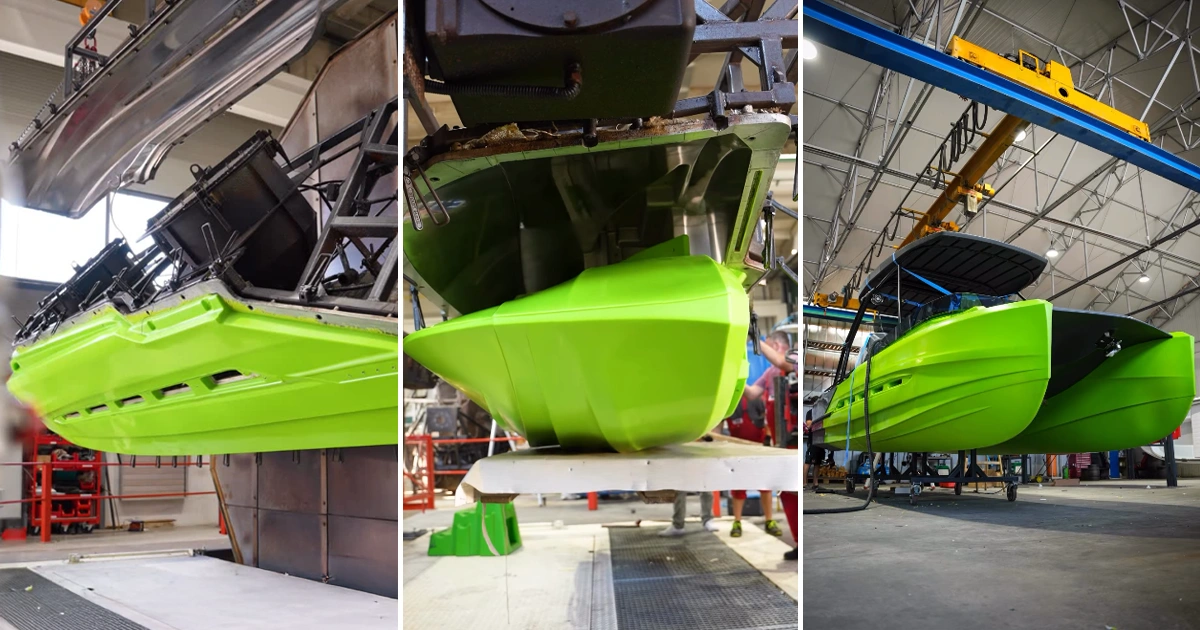
Fibreglass punishes mistakes and first-timers make mistakes. A misjudged approach to a pontoon can mean cracked gelcoat and a repair bill. Our rotomoulded polyethylene hulls shrug off the knocks that crack fibreglass. Bump a dock, beach it on pebbles, or nudge a rock, and the hull flexes instead of shattering. That forgiveness takes the fear out of your early outings, which means you’ll actually use your boat more.
Polyethylene skips the upkeep rituals. There’s no gelcoat to wax, polish or worry about. After a day out, you rinse off the salt, check your fittings, and you’re ready to launch again. Our multi-layer rotomoulded hulls are UV-resistant and don’t rot, corrode or osmose. The slow-burn problems that quietly devalue older fibreglass boats.
A light hull is a cheap hull to run. Polyethylene boats are light for their size, so they don’t need much power to get moving. That means a smaller engine, less fuel and lower running costs – trip after trip, season after season.
This is the same reason rotomoulded polyethylene is trusted for rescue craft, rental fleets and workboats: environments where boats get used hard, every day, by people of every skill level. Rescue services and professionals run our Hydra platform daily. That toughness is exactly why a polyethylene boat is, in our view, the best boat for beginners.
Meet the Hydra 460: built for your first seasons on the water
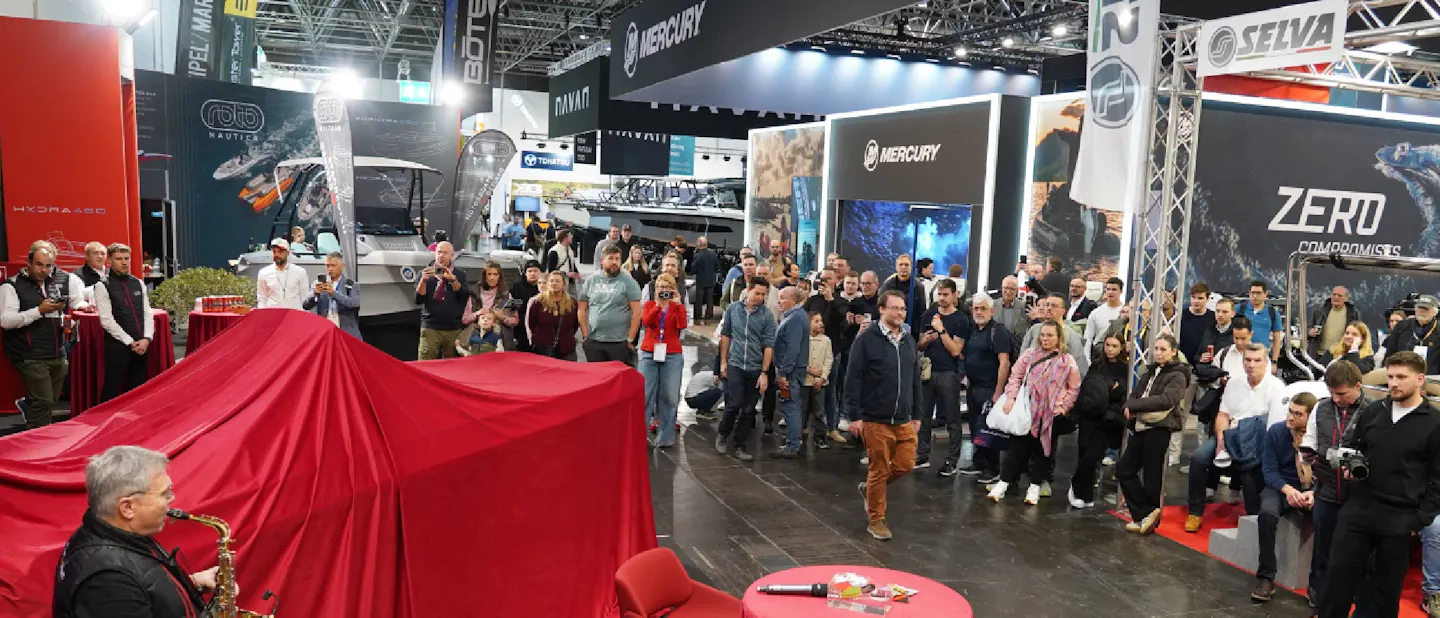
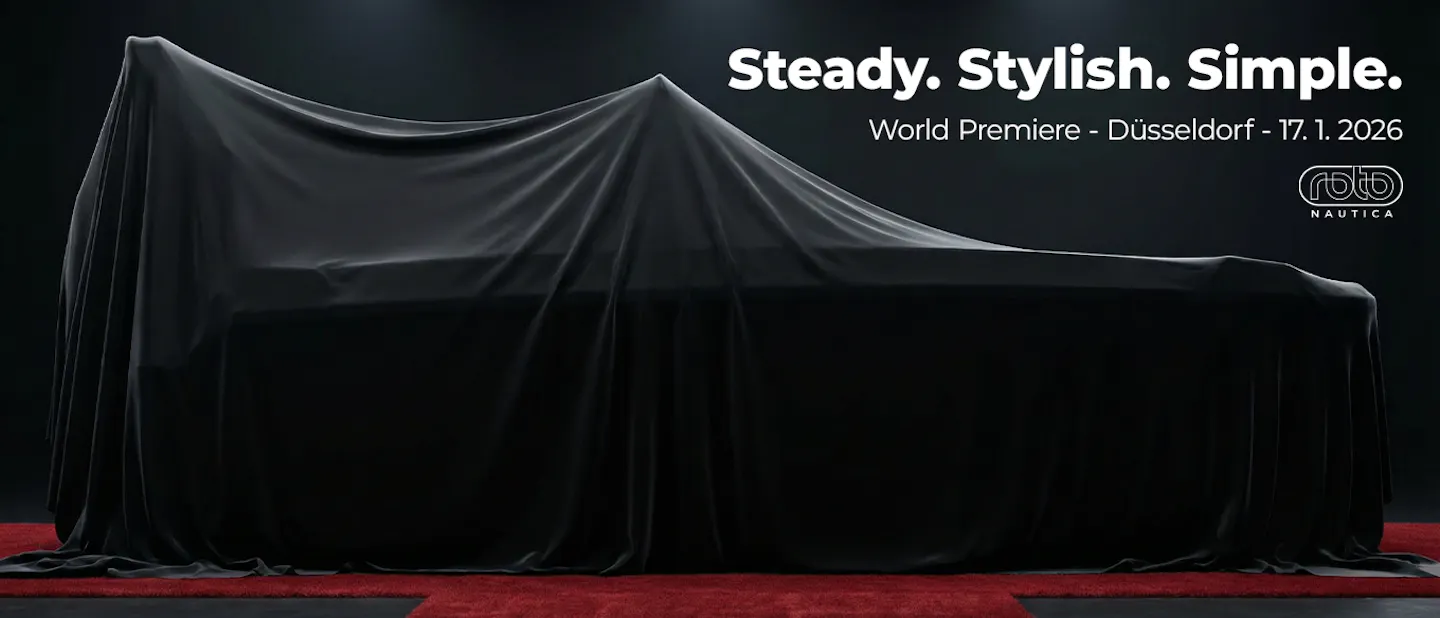
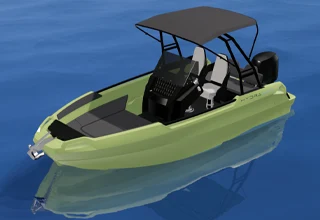
The Hydra 460 is the newest boat in our range. It made its world premiere at BOOT Düsseldorf 2026. It takes our proven Hydra platform and refines it for everyday, real-life boating: refreshed design, optimised layout and improved ergonomics.
Hydra 460 best boat for beginners at a glance:
- Lenght: 450 cm
- Width: 180 cm
- Weight: 320 kg
- Engine: Up to 60 HP
- CE categories: C / D
- Configurations: Family and Basic
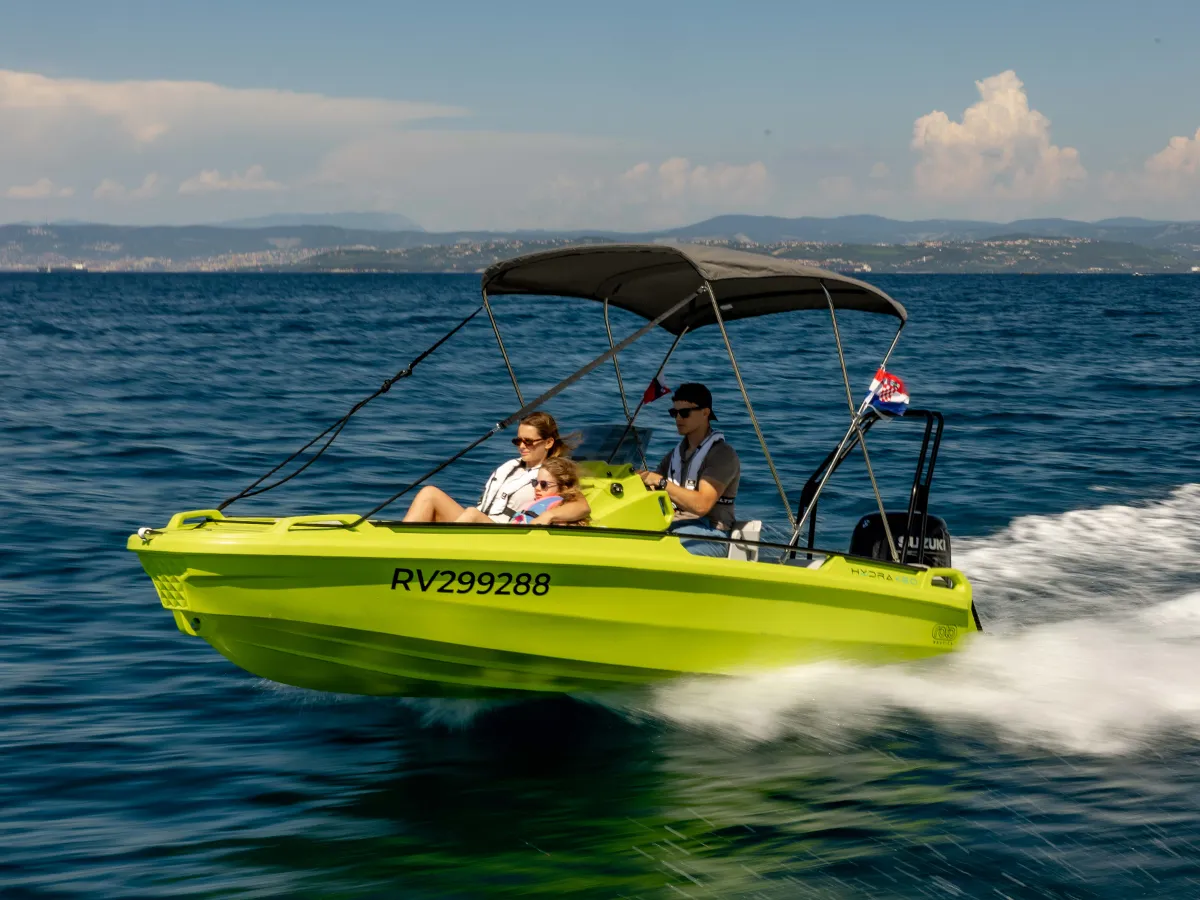
Here’s how those numbers answer the five things a first boat needs:
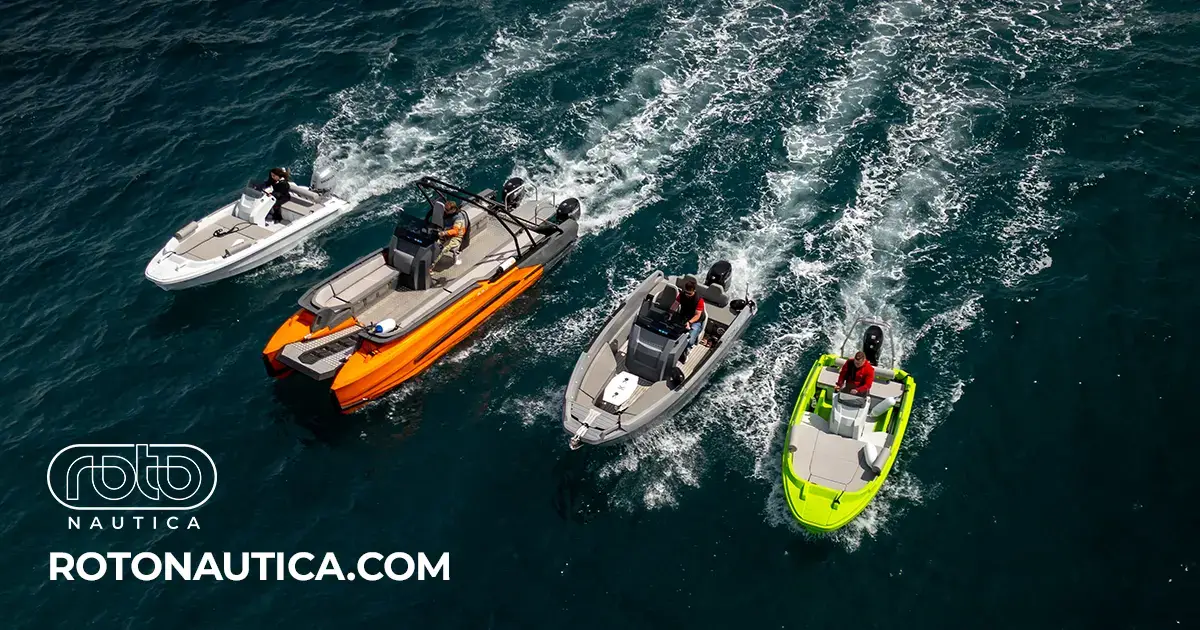
- Sized for confidence, not intimidation. At 4.5 metres and just 320 kg, the Hydra 460 is easy to handle, launch and tow, yet stable enough to take the whole family out on lakes, rivers and coastal waters (CE category C/D).
- Modest horsepower, modest bills. The lightweight hull tops out at 60 HP, and many owners are perfectly happy well below that. Smaller engine, smaller fuel bill, cheaper servicing. The running costs of a first boat should never be the reason it stays on the trailer.
- One hull, every kind of day. The same boat takes the family out for a swim and a picnic, heads off for a morning’s fishing, or cruises the coast for the day. Choose the Family configuration for days out with children, or keep it simple and budget-friendly with the Basic version. You can also configure your own Hydra 460 down to the details.
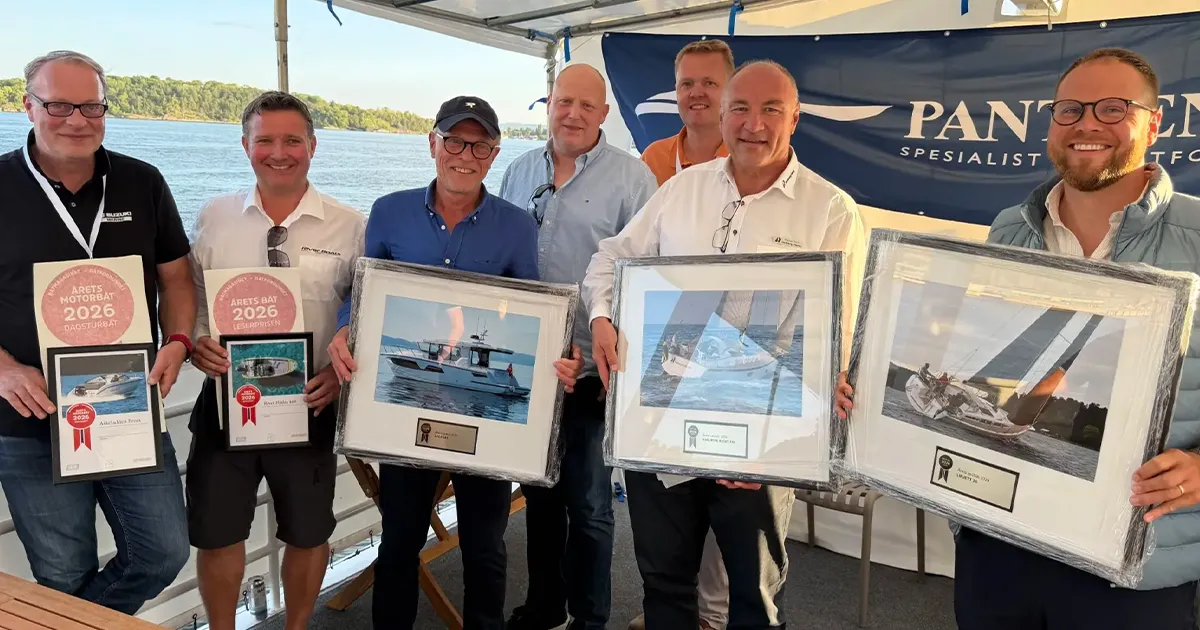
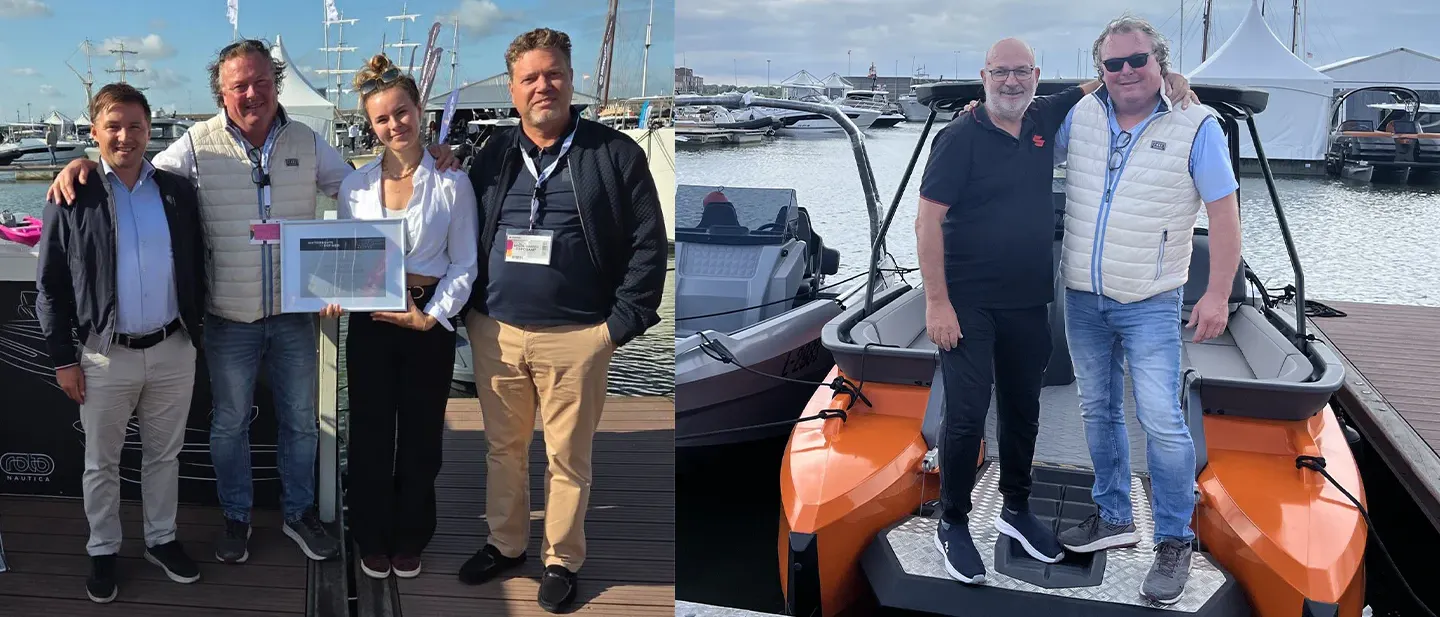
- Award-recognised DNA. The Hydra 460 is built with the same multi-layer rotational moulding technology as our Hydra 530 – ranked among Europe’s best boats at the Best of Boats Awards 2025.
- A dealer who knows your name. With local ROTO Nautica dealers across 21 countries, there’s a real person nearby for advice, sea trials, servicing and parts – before and long after you buy.
Quick answers for first-time buyers
1. What is the best type of boat for a beginner?
The best boat for beginners is small (4–5 m), stable, low-maintenance boat with a forgiving hull. That’s why polyethylene boats like our Hydra 460 top beginner shortlists: they handle the knocks that damage fibreglass, need minimal upkeep, and run economically on modest engines.
2. Is polyethylene really tough enough?
Absolutely. Rotomoulded polyethylene flexes on impact instead of cracking. It’s why rescue services and rental fleets, where boats live hard lives in inexperienced hands, choose it. Our multi-layer rotomoulding takes that strength further.
3. How much maintenance does a polyethylene boat need?
Less than you’d expect. There’s no gelcoat to wax or polish. Rinse off the salt after a trip, check your fittings, and you’re ready to launch again.
4. Do I need a big engine for my first boat?
No. The Hydra 460’s lightweight hull runs efficiently on modest horsepower up to 60 HP, which keeps both the purchase price and the running costs down.
5. How big should a first boat be?
For most people, 4–5 metres is the sweet spot: big enough for family and friends, small enough to launch, dock and tow with confidence. We built the Hydra 460 at 4.5 metres for exactly this reason.
A first boat shouldn’t be a gamble
The best boat for beginners is the one that removes every reason not to go out: nothing fragile to worry about, no weekend-eating maintenance, no eye-watering fuel bills, and support close to home. That’s the boat we set out to build, and the Hydra 460 is the result.

Prefer to make it your own? Design yours in the boat configurator or find your nearest dealer for a closer look and a sea trial.